
Walking for Weight Loss on a Treadmill: Does It Really Work?
Walking on a treadmill can burn around 200–400 calories per hour, depending on your speed, incline, and body weight. Yes — walking for weight loss on a treadmill works when done consistently and combined with a healthy diet. It’s a low-impact, sustainable way to create a calorie deficit and support long-term fat loss.
Unlike intense workouts that may feel intimidating, treadmill walking allows you to control the speed, incline, and duration to match your fitness level. And the best part? You don’t need to run or suffer — you just need a plan.
In this article, we’ll break down exactly how to walk on a treadmill to lose weight effectively, including:
- How long and how often you should walk
- Whether incline walking really helps
- How to track your calories burned
- A sample weekly walking routine
Let’s get into it.
How Many Calories Can You Burn Just by Walking on a Treadmill for Weight Loss?
Walking on a treadmill might feel low-effort — but the calorie burn adds up fast. And if you’re consistent, you can absolutely lose weight walking alone, even without running or high-intensity workouts.
Here’s exactly what you can expect in terms of calories burned, depending on your body weight and how long you walk.
Calories Burned Walking at 3.5 mph (Harvard Data)
This table is based on calorie burn research published by Harvard Medical School, one of the most trusted medical institutions worldwide. Their data shows how many calories people of different weights burn walking at a brisk pace of 3.5 mph — a common speed for treadmill walking.
Source:
Harvard Health Publishing – Calories Burned in 30 Minutes for People of Three Different Weights
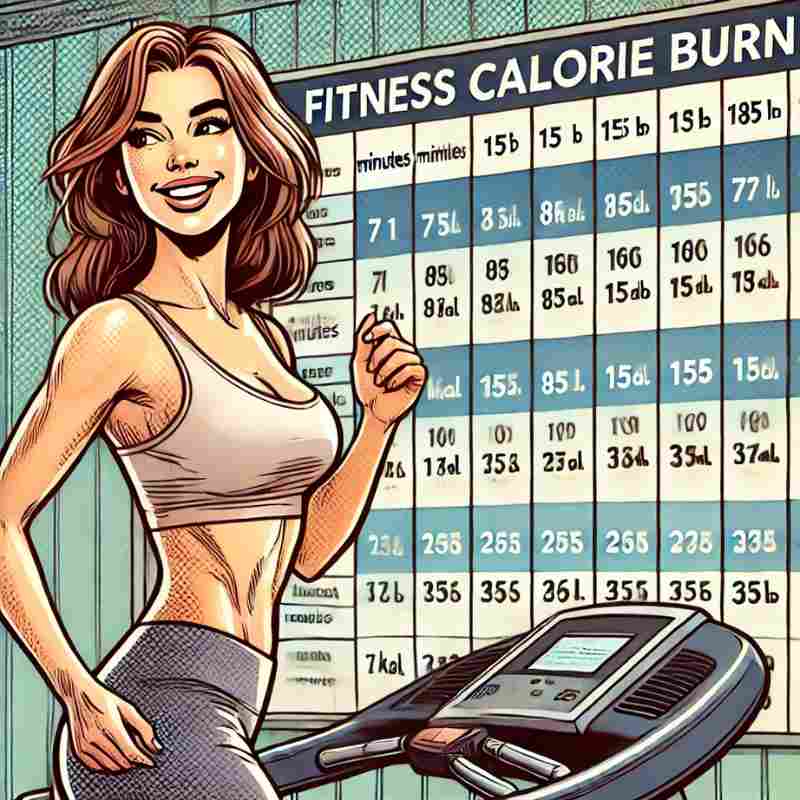
Walking on a Treadmill for Weight Loss — Calories Burned by Time & Weight
| Minutes | 125 lb | 155 lb | 185 lb |
|---|---|---|---|
| 20 min | 71 kcal | 89 kcal | 106 kcal |
| 40 min | 143 kcal | 177 kcal | 212 kcal |
| 60 min | 214 kcal | 266 kcal | 318 kcal |
| 80 min | 285 kcal | 355 kcal | 424 kcal |
| 100 min | 357 kcal | 443 kcal | 530 kcal |
These values are calculated from Harvard’s 30-minute burn estimates, scaled proportionally based on time.
Even walking 20 minutes a day starts to make a difference — and 60+ minutes several times a week can lead to steady fat loss over time, especially if you’re eating at maintenance or a slight deficit.
What’s more, walking elevates your heart rate and keeps your heart healthy! In fact, it can lower your resting heart rate over time. So you’re reaping many benefits here. Check it out, we wrote all about this in our French article here.
Realistic Example
If you weigh 155 lb and walk briskly for 60 minutes a day, 5 days a week, you’ll burn around 1,330 calories per week.
That’s equivalent to nearly 0.4 pounds of fat burned per week, assuming no dietary changes — and it adds up over time.
Takeaway for You
You don’t need to run to burn fat.
Walking works — especially if you commit to it, track your effort, and keep your food intake steady.
Whether you’re just starting your fitness journey or looking for a sustainable fat-loss routine, walking is one of the safest, simplest, and most underrated tools out there.
What Actually Causes Fat Loss — and Where Walking Fits In
Let’s clear up one of the biggest misconceptions right away:
You don’t lose weight just by burning calories.
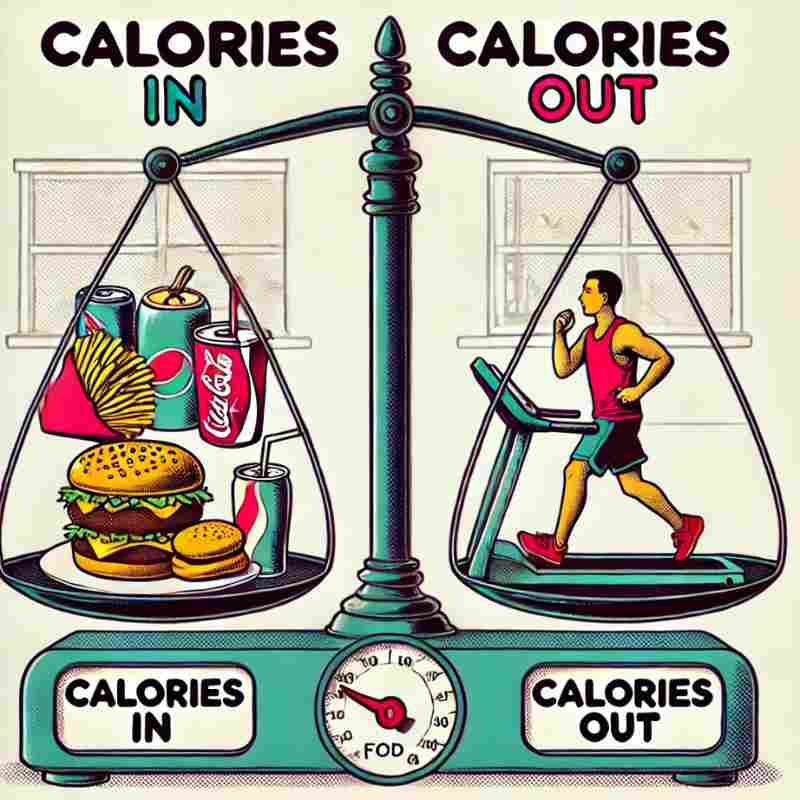
You lose weight by creating a calorie deficit — meaning your body burns more calories than you consume.
Walking helps create that deficit, but only if you’re not eating back everything you burn.
How It Works
Every day, your body burns calories to stay alive (your maintenance calories). This includes:
- Resting energy (breathing, digestion, organ function)
- Movement (walking, fidgeting, workouts)
- Food digestion itself (yes, even eating burns calories)
If you walk for 45 minutes and burn 250 calories — but then eat an extra snack worth 300, your fat loss is gone.
But if you eat at your maintenance level (not more), then walking becomes a direct path to tapping into fat stores.
Example: Why Walking on a Treadmill for Weight Loss Works When Diet Stays Neutral
When I first started walking every day, I didn’t change my diet — just stayed consistent. Over 3 weeks, I dropped 3 pounds.
Why? Because those 250–300 daily walking calories weren’t getting “replaced” by food. I let my body do the work.
That’s the key: no deficit, no fat loss. Even 100 extra calories a day can halt progress — and many people make that mistake without realizing it.
Want to Know Your Own Maintenance Level?
Not sure how many calories your body needs daily?
Use my free maintenance calorie calculator to find your baseline — it’s the number you need to not gain or lose.
Once you know it, you’ll have full control over your weight loss.
Takeaway
Walking burns fat — but only if you let it.
That means:
- Eating at (or slightly under) your maintenance level
- Staying consistent with your walking routine
- Avoiding the trap of reward eating
This is where most people go wrong. But now you know better — and you’re in control.
Want Even More Control Over Your Fat Loss?
If you’re serious about walking for weight loss on a treadmill, one of the smartest upgrades you can make is tracking your heart rate in real time.
Why? Because staying in your fat-burning heart rate zone helps you maximize results without overtraining or guessing.
Here are my go-to tools that I’ve personally tested and recommend:
🔹 Polar H10 Chest Strap
If accuracy is your top priority, this is hands-down the most reliable heart rate monitor on the market.
Why I love it:
- Gold standard for real-time HR tracking
- Syncs easily with most fitness apps
- Perfect for treadmill workouts and walking intervals
📍 Best for serious walkers who want precision.
🔹 Apple Watch
If you’re already in the Apple ecosystem and want convenience plus tracking in one sleek device.
Why I love it:
- Tracks heart rate, steps, and calories
- Doubles as a lifestyle and productivity tool
- Easy to use — great for beginners
📍 Best for everyday walkers who want simplicity and style.
🔹 Garmin Forerunner Series
Garmin’s fitness watches are built for data lovers.
Why I love it:
Durable and designed for activity
📍 Best for tech-minded walkers and those transitioning into running.
What Results Can You Expect From Walking for Weight Loss on a Treadmill?
When I first committed to walking daily, I had one big question in my head:
“How long will this take to actually burn fat?”
If you’re wondering the same thing — you’re not alone. Let’s break it down honestly, using both science and real-life experience.
First, the Numbers: How Fat Loss Actually Works
You’ve probably heard this before:
1 pound of body fat equals roughly 3,500 calories.
So if you want to lose 1 pound, you need to burn 3,500 more calories than you eat — across several days or weeks. But what does that look like with just walking?
Let’s say you’re walking briskly on a treadmill, 3.5 mph, no incline:
- 30 minutes burns ~130–180 calories, depending on your weight
- 5 sessions a week = ~700–900 calories burned per week
- That adds up to about 1 pound of fat lost every 3–4 weeks — even without changing your diet
If you increase to 45–60 minutes, or add a slight incline, you can push that closer to 1 pound every 2 weeks. Pretty good, no?
And that’s without touching your food intake. If you also eat at maintenance or a slight deficit, the results come faster.
What I Noticed Week by Week
Week 1: No Change on the Scale — But I Felt Different
After my first week of walking for weight loss on a treadmill, I hadn’t lost a single pound.
But I felt lighter. I had more energy. Less puffiness in my face. My digestion was smoother. And mentally, I just felt better.
Week 4: The First Few Pounds
By week 4, I’d lost just under 4 pounds. All I did was walk 5 days a week for about 45 minutes — no running, no diets.
I was burning somewhere between 300–350 calories per walk, which lines up with the math. That’s about 1,500–1,800 calories per week, enough to lose about half a pound per week — and I saw exactly that on the scale.
Week 12: Real Results
This is when people started noticing. I was down 10+ pounds, I felt better in my clothes, and I wasn’t even focused on weight anymore.
Walking became part of my day — something I looked forward to, not forced myself into.
What You Can Realistically Expect
| Timeframe | Expected Result |
|---|---|
| 1 week | Better mood, digestion, reduced bloating |
| 4 weeks | 2–6 pounds lost, looser clothes |
| 12 weeks | 8–15 pounds lost, visible fat loss, stronger endurance |
This assumes you’re walking consistently, eating at maintenance, and not rewarding yourself with extra food post-walk.
My Honest Takeaway
Walking for weight loss on a treadmill works — but not overnight.
It’s slow, steady, and reliable. If you’re patient and consistent, the fat loss becomes inevitable. You just have to stay the course long enough for the math to pay off.
Should You Walk on a Treadmill Fasted or Fed for Best Results?
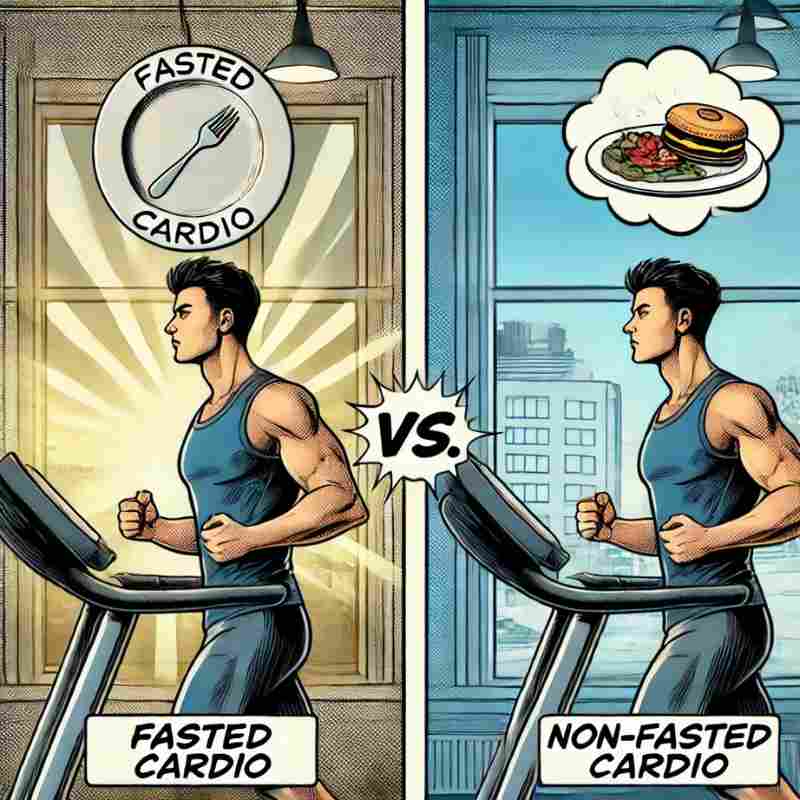
When I first started walking for weight loss on a treadmill, I kept seeing one big debate:
“Should I do it fasted or after eating?”
At first, I tried both — mostly out of curiosity, but also to figure out what actually felt better. Here’s what I found, and what the science says behind it.
What Is Fasted Walking?
Fasted walking means doing your treadmill session on an empty stomach — usually in the morning before breakfast, after 8–12 hours of not eating (like overnight).
The idea is simple:
With no food in your system, your body turns more directly to stored fat for energy. That’s what makes it appealing if you’re aiming to burn fat more efficiently.
What the Research Suggests
Studies show that fasted cardio can increase fat oxidation during the workout — meaning your body may rely more on fat for fuel. But here’s the nuance:
- It doesn’t necessarily burn more total fat over time
- The most important factor is still your overall calorie deficit
So yes, fasted walking can help, but it’s not magic — and not everyone feels great doing it.
My Personal Experience with Fasted Treadmill Walking
I’ve been doing most of my walks fasted, around 7:00 a.m.
At first, I worried I’d feel weak or sluggish — but honestly, I felt lighter, more focused, and less distracted by digestion or food. It became a sort of morning reset for me.
That said, there were a few days where I felt a little drained (especially after poor sleep), and on those days, I’d grab half a banana or a small protein shake just to take the edge off. And that’s totally fine.
When to Walk Fed Instead
You might want to eat before walking if:
- You’re going for longer than 60 minutes
- You feel lightheaded or weak fasted
- You’re doing incline intervals or increasing intensity
- You’ve had poor sleep or low energy
A light meal or snack 30–60 minutes before — like a banana, yogurt, or small protein bar — is often enough.
Bottom Line: Do What Helps You Stay Consistent
Walking for weight loss on a treadmill will only work if you actually do it — and keep doing it.
If fasted walking fits your routine, great. If not, eat something light and get moving anyway. There’s no “perfect” way — there’s just the way that gets done.
My 4-Week Plan for Walking on a Treadmill for Weight Loss
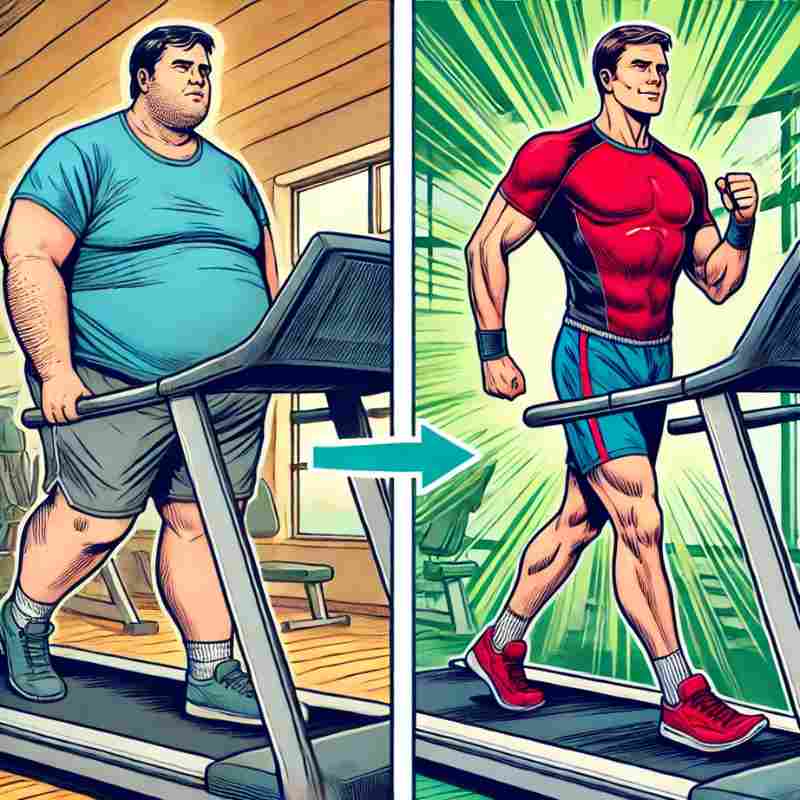
When I started walking for weight loss on a treadmill, the hardest part wasn’t the walking itself — it was knowing what to do each day.
Do I just hop on and go?
For how long?
Do I use incline?
Do I walk every day?
I needed a plan. And once I built one, everything got easier — I stopped guessing and just showed up.
That’s what this section is about. Here’s a 4-week treadmill walking plan you can follow whether you’re a complete beginner or getting back into a routine. It’s designed for fat loss, not speed or endurance, and it scales gradually so it never feels overwhelming.
Weekly Goals:
- Start with manageable time and intensity
- Increase either duration or incline, not both at once
- Walk at least 5 days/week — consistency beats intensity
- Keep your pace brisk (you should breathe faster, but still be able to talk)
4-Week Walking of a Treadmill for Weight Loss Plan
| Week | Days/Week | Duration | Incline | Focus |
|---|---|---|---|---|
| Week 1 | 4–5 | 30 min | 0–1% | Build the habit, no pressure |
| Week 2 | 5 | 35 min | 2–3% | Add light challenge and routine |
| Week 3 | 5–6 | 40 min | 4–5% | Push into fat-burning zone |
| Week 4 | 6 | 45 min | 5–6% | Maximize burn and consistency |
How I Used This Plan
Personally, I followed a structure almost exactly like this — and it’s what helped me drop over 10 pounds in 2.5 months.
Here’s what helped me stick with it:
- I walked at the same time each morning (before work)
- I pre-loaded a few good podcasts and playlists
- I made one rule: No checking my phone while walking — that turned my sessions into quiet, focused time
I also gave myself permission to repeat a week if life got in the way. This isn’t a race. It’s a habit.
Want More Structure? Here’s What You Can Do:
- Add 1–2 short incline intervals during Week 3 and 4 (like 2 minutes at 7–8% incline, then back to normal)
- Track your walks with a simple habit calendar
- Pair it with your maintenance calorie level (link back to calculator) to double your results
Final Tip
The goal isn’t perfection — it’s progress.
You don’t need to run. And you don’t need fancy shoes. You just need to walk, consistently, on your terms. That’s where the fat loss happens — slowly, surely, and without burnout.
Would you like to keep going with Section 7: Mistakes That Kill Your Results next? That’ll help reinforce the habits and prevent frustration.
Excellent — here’s Section 7, continuing with the keyword “Walking for Weight Loss on a Treadmill” and weaving in personal experience to make it relatable and actionable.
Mistakes That Kill Your Results (I’ve Made Most of Them)
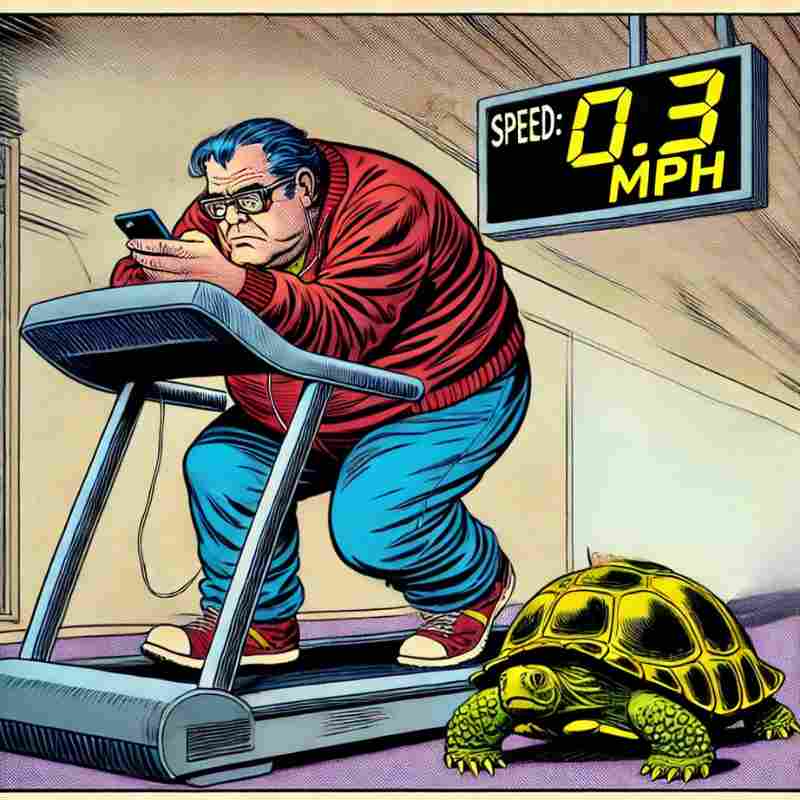
Let’s be honest — walking for weight loss on a treadmill sounds simple. And it is.
But that doesn’t mean people always do it right. I didn’t.
When I first started, I made a bunch of mistakes that slowed down my progress — or worse, made me think it wasn’t working at all.
So let’s talk about the most common mistakes I’ve seen (and lived through), so you can avoid wasting your time and effort.
1. Holding on to the Rails the Whole Time
Yep — I did this for weeks. I thought it didn’t matter.
But when you lean on the treadmill or hold yourself up the whole time, you reduce the load on your legs and burn way fewer calories. It also messes with your posture and stride.
Fix: Use the rails for balance if needed — but try to walk upright, hands-free as much as possible. Even if that means lowering the incline at first.
2. Walking Too Slowly
If your pace feels like window shopping at the mall, you’re not in the fat-burning zone.
In my early days, I stayed at 2.5 mph because it felt safe. But I didn’t break a sweat, and I wasn’t burning much. Once I bumped it up to 3.5–4.0 mph, I felt the difference — heart rate up, sweat dripping, more energy after.
Fix: Walk at a pace where you’re breathing heavier, but still able to hold a conversation. That’s your fat-burning sweet spot.
3. Overcompensating with Food
This one hurts to admit. After a solid walk, I’d feel proud — and then eat more than I needed “because I earned it.”
Turns out, burning 250 calories and eating 500 right after doesn’t help fat loss.
Fix: Stick to your maintenance calories (link to calculator), and remind yourself that walking is part of the long game — not a ticket to eat more.
4. Inconsistency
I’d walk five days one week, then take a break the next because “life got busy.”
But walking works best when it’s habitual. Your body responds to repeated effort — not once-in-a-while bursts.
Fix: Even if you can’t do long walks, commit to daily movement. A 20-minute incline walk is better than nothing. And it keeps your momentum alive.
5. Expecting Quick Fixes
When I didn’t see a six-pack after two weeks, I got frustrated. Sound familiar?
Walking for weight loss on a treadmill is a long-term strategy. The magic is in slow, steady fat burn, and how good you feel along the way.
It took about 3–4 weeks before I saw visible changes — and that’s perfectly normal.
Fix: Stop watching the scale daily. Track your energy, mood, and clothes instead. That’s where the wins happen first.
Final Word
Walking isn’t hard — but doing it right, consistently, with the right mindset takes practice.
Learn from my missteps, adjust your approach, and give yourself time. Your results will come — and they’ll stick.
How to Stay Motivated and Actually Enjoy Walking for Weight Loss on a Treadmill
Let’s be honest — walking on a treadmill can get boring.
You’re not outside, you’re staring at a wall (or a screen), and every minute can feel like five if your mind isn’t engaged.
When I first committed to walking for weight loss on a treadmill, I wanted to enjoy it — but some days, I was just counting down the seconds.
Over time, I figured out a few things that changed everything.
I went from “I have to walk” to “I get to walk.” Here’s how you can do the same.
1. Stack It with Something You Already Enjoy
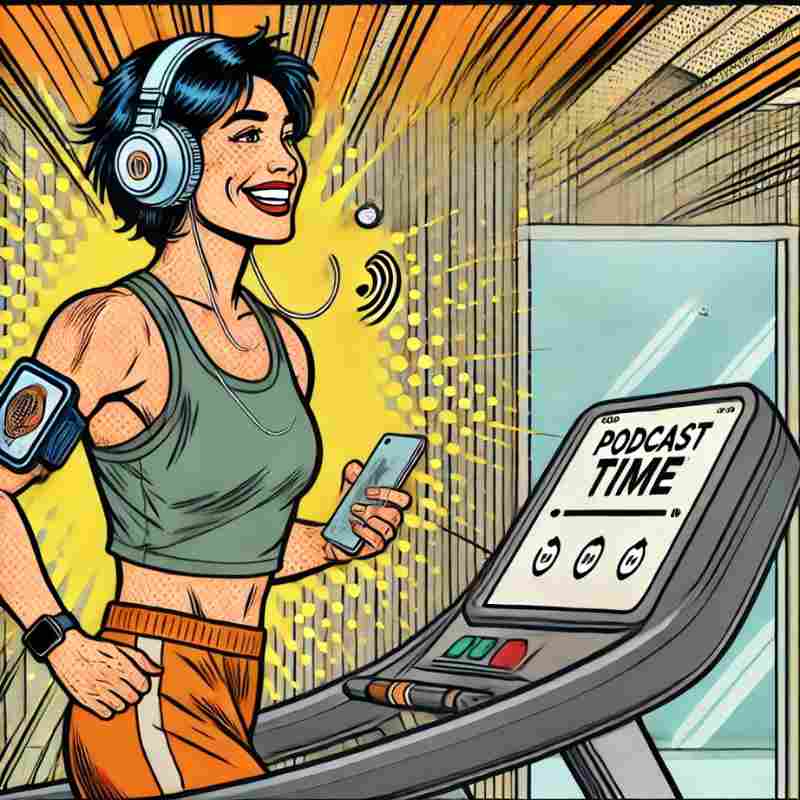
This was the big one for me. I stopped thinking of my treadmill as a workout and started treating it like “podcast time.” I’d save my favorite show for my walks — no walk, no episode.
Some days, I’d actually want to walk longer just to finish a juicy episode.
Try pairing your walks with:
- A specific podcast or audiobook
- Your favorite YouTube playlist
- A motivational speaker or guided meditation
- Even TV shows (I know someone who only watches Netflix while walking)
The key is this: don’t multitask during treadmill walks — make it “your time.”
2. Track Your Streak, Not Just Your Steps
Step goals are great, but you know what’s more powerful?
A streak. I printed out a basic calendar and put a red “X” for every day I walked 30 minutes or more. After 5 days in a row, I didn’t want to break the chain.
You can also:
- Use a habit-tracking app
- Journal how you feel after each walk (energy, stress, mood)
- Set a personal walking goal: “20 walks in the next 30 days”
Walking for weight loss on a treadmill works — but it works best when it becomes part of your identity.
3. Don’t Just “Do Cardio” — Make It Ritual
This was unexpected: walking became more than exercise for me.
It became my reset button — mentally and physically. It was where I planned my day, got creative ideas, or just cleared the clutter in my head.
Some days, I barely noticed the time passing. Other days, it dragged. But over time, I stopped fighting it. The treadmill became part of my day, not a task I had to tick off.
4. Make It Easy to Start
You won’t always feel motivated. That’s normal.
What helped me most was removing friction:
- I kept my walking shoes right next to the treadmill
- My headphones stayed charged
- My show or podcast was already queued up
- No thinking, no deciding — just press play and go
If you walk first thing in the morning, lay your clothes out the night before. If you walk after work, treat it like clocking out — same time every day.
5. Remind Yourself Why You Started Walking on a Treadmill for Weight Loss
On days I wanted to skip, I asked myself:
“What would the future version of me want me to do right now?”
I’d picture myself 10 pounds down, feeling lighter, more in control — and most of the time, that was enough to lace up and walk.
Final Thought
Walking for weight loss on a treadmill doesn’t need to be exciting.
It just needs to be yours — something that fits into your life, gives you space to breathe, and slowly but surely changes your body and mindset.
Once you stop treating it like punishment and start treating it like peace, you’ll never want to skip it again.
Final Thoughts: Walking for Weight Loss on a Treadmill Works — If You Let It
If you’ve made it this far, you already know the truth:
Walking for weight loss on a treadmill is one of the simplest, safest, and most sustainable ways to lose fat.
It doesn’t require running, fancy workouts, or turning your life upside down. Just a pair of shoes, a consistent plan, and the willingness to show up even when it’s not exciting.
I’ve lived it myself. I’ve seen the slow weeks, the bloated mornings, the mental resistance.
But I’ve also seen the inches drop, the mood improve, the energy rise — all from simply walking and not giving up.
If You’re Just Starting Out, Here’s What I Want You to Know:
- Don’t overthink it. Just walk.
- Use the plan, but adjust it to your life.
- Keep your food in check, but don’t stress over perfection.
- And above all: stay patient. Fat loss is a process — and walking works when you trust the process.
Tools to Keep You Going and to Lose Weight Walking on a Treadmill
To help you stay on track, I’ve put together a few free resources:
Use them. Bookmark this post. Revisit it when motivation dips.
And if you’ve already started your own treadmill walking journey, I’d love to hear how it’s going.
Leave a comment below and share your story — what’s working for you, what’s been hard, and what’s helped you keep moving.
Because sometimes, the simplest movements are the ones that change everything.
Just one step. Then another.
You’ve got this.

Useful Links
Combien de calories brûle la musculation ? (avec tableaux). This French article explains how many calories are burned during strength training, with detailed charts based on weight, exercise type, and intensity.
Tableau VO2 max : votre cardio est-il en forme?. This French article includes a VO2 max reference chart to help you evaluate your cardiovascular fitness based on age and gender.
La fréquence cardiaque pendant la musculation. This French article covers how heart rate behaves during strength training, and how to use it to track effort and avoid common mistakes.
Quel rythme cardiaque est normal en marchant? This French article explores what heart rate is considered normal while walking, based on age and walking pace, and what it means for your heart health.